


by Noriyuki Morimoto
Investment education is to learn about the risks involved in investing, as investing inherently involves taking risks, albeit to varying degrees. Now, the very premise of being able to take risks is that even if there’s some discrepancy between your monetary target and the actual amount achieved in investment, it won’t be a serious problem.
Suppose you start investing towards the goal of indulging yourself in a trip within a few years. Wouldn’t it be interesting and enjoyable to actively think through the investment strategy and take some calculated risks? If things go well, you might be able to take an even more luxurious trip or go sooner than planned. Embracing that uncertainty as part of life’s joys must be the true meaning of taking risks in investing.
Of course, as a constraint, you shouldn’t take risks so large that they can destroy the prospect of the trip itself. But learning such things is also part of the experience. Even if you fail, it’s ultimately just a recreational trip. There’s no need to force yourself to go.
Therefore, even if asset prices happen to fall at the planned timing of travel, you will not be forced to sell the assets and convert them to cash. Instead, you should embrace the possibility that postponing the trip and continuing the investment could lead to a significant recovery in asset prices, allowing for a more luxurious trip than originally planned.
Risk, for better or worse, is uncertainty. It’s through these thrilling experiences—the very essence of entertainment, that mix of anxiety and anticipation—that we gradually grasp the true meaning of risk and long-term perspective. Investment education, like all learning, requires the joy and fun of discovery.
[Category /Personal Asset Management]
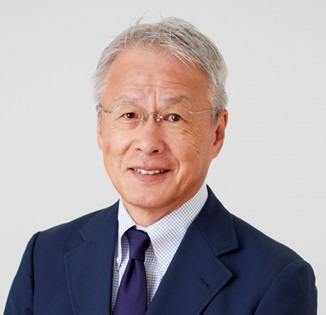
Chief Executive Officer, HC Asset Management Co.,Ltd. Noriyuki Morimoto founded HC Asset Management in November 2002. As a pioneer investment consultant in Japan, he established the investment consulting business of Watson Wyatt K.K. (now Willis Towers Watson) in 1990.